Shipping containers are incredibly versatile. They can be transformed into offices, workshops, cabins, retail spaces, storage units, and even full-time living spaces. However, one challenge every container owner must address is temperature control.
Many people assume a shipping container will stay comfortable on its own. The reality is that steel transfers heat and cold very efficiently. Without proper planning, a container can become extremely hot during warm weather and lose heat quickly during colder months.
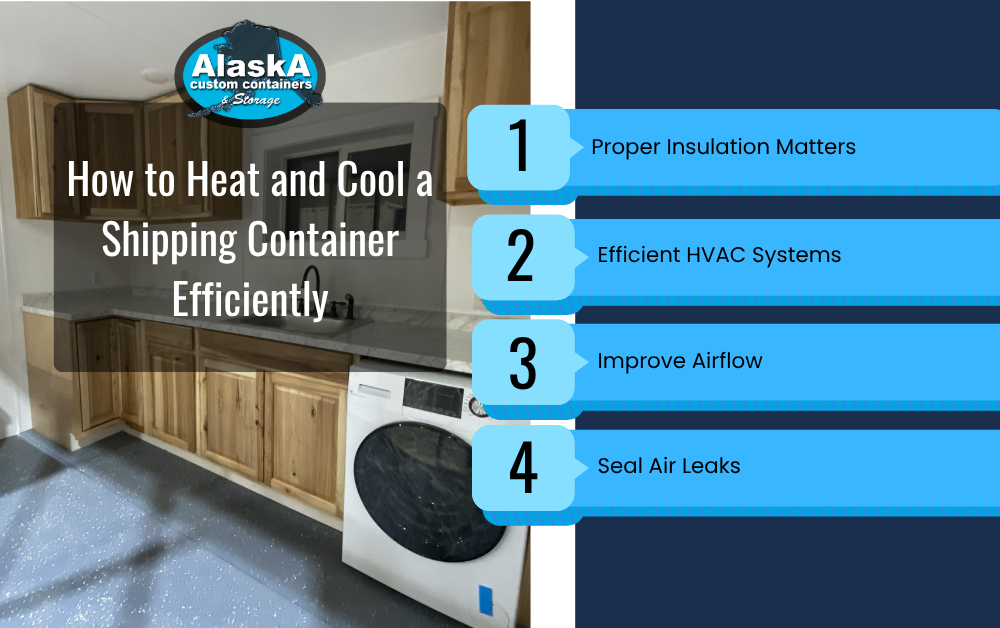
The good news is that a shipping container can be heated and cooled efficiently with the right combination of insulation, HVAC systems, ventilation, and interior design features.
Whether you’re planning a container office, cabin, or custom workspace, here’s what you need to know about maintaining a comfortable temperature year-round.
Why Temperature Control Is Different in a Shipping Container
Traditional buildings use materials that naturally slow the transfer of heat. Shipping containers are different because they are made almost entirely of steel.
Steel absorbs outside temperatures quickly and transfers them directly into the interior space.
This creates several challenges:
- Rapid heat buildup during sunny weather
- Faster heat loss during cold weather
- Greater temperature swings throughout the day
- Increased risk of condensation
Without proper modifications, the interior temperature of a container can become uncomfortable and difficult to manage.
This is why climate control should be considered early in the design process, especially if the container will be used as more than simple storage.
Insulation Is the Most Important Step
If there is one upgrade that has the biggest impact on comfort, it’s insulation.
Insulation acts as a barrier between the steel walls and the interior space. It slows the transfer of heat and helps maintain a more stable temperature throughout the year.
Why Insulation Matters
Proper insulation helps:
- Keep heat inside during colder months
- Reduce heat gain during warmer months
- Improve HVAC efficiency
- Reduce condensation
- Lower energy costs
Without insulation, even the best heating and cooling systems will struggle to keep up.
Common Insulation Options
Several insulation methods are commonly used in container modifications.
Spray Foam Insulation
Spray foam is one of the most popular choices because it creates an effective air seal while providing excellent insulation value.
Rigid Foam Board
Rigid foam panels offer strong thermal performance and can work well in container conversions.
Batt Insulation
Fiberglass batt insulation may be used in some builds, typically when interior framing is installed.
For custom container projects, insulation should be one of the first upgrades considered. Alaska Custom Containers offers custom container modifications that can incorporate insulation, wall finishes, and other interior features designed for year-round comfort.
Choosing the Right Heating System
Once insulation is installed, the next step is choosing an appropriate heating solution.
The best system depends on how the container will be used and where it is located.
Mini-Split Heat Pumps
Mini-split systems are one of the most efficient options available.
Benefits include:
- Heating and cooling from one unit
- Energy efficiency
- Quiet operation
- Easy temperature control
Many container offices and living spaces rely on mini-split systems because they provide year-round climate control.
Electric Heaters
For smaller spaces or occasional use, electric heaters can provide a simple solution.
These systems are often used in workshops, storage conversions, or seasonal spaces.
Wood or Pellet Stoves
For remote properties and off-grid setups, wood or pellet stoves remain a popular option.
These systems can provide dependable heat without relying entirely on electricity.
Cooling a Shipping Container Effectively
Cooling becomes especially important during warmer months when steel containers absorb solar heat.
Fortunately, there are several ways to keep a shipping container comfortable.
Mini-Split Systems
Mini-split heat pumps are often the preferred cooling option because they provide efficient temperature control without taking up much space.
Portable Air Conditioners
Portable AC units can work well for temporary applications or smaller conversions.
Strategic Window Placement
Windows can significantly improve airflow and help release trapped heat.
Properly positioned windows can:
- Encourage cross-ventilation
- Improve natural airflow
- Reduce reliance on mechanical cooling
When combined with insulation, cooling systems become much more effective and efficient.
Ventilation Plays a Major Role
Many people focus on heating and cooling systems while overlooking ventilation.
Good airflow is essential for:
- Reducing humidity
- Preventing stale air
- Improving comfort
- Limiting condensation
Several ventilation options can be added during a container conversion.
Roof Vents
Roof vents help release hot air that naturally rises toward the ceiling.
Wall Vents
Wall-mounted vents encourage air circulation throughout the container.
Mechanical Ventilation Systems
For larger or more complex conversions, mechanical ventilation systems provide consistent airflow and humidity control.
Ventilation becomes especially important in containers that include insulation, plumbing, kitchens, or bathrooms.
Windows, Doors, and Interior Design Matter Too
Climate control is about more than insulation and HVAC equipment.
The design choices made during a container conversion also affect efficiency and comfort.
Windows
Quality windows provide:
- Natural light
- Fresh air
- Improved energy performance
Energy-efficient windows help reduce heat loss and gain while creating a more comfortable environment.
Doors
Properly installed doors with quality seals help prevent unwanted air leaks.
Door selection can also affect security, functionality, and energy efficiency.
Alaska Custom Containers offers a variety of custom door options including sliding glass doors, commercial doors, and other specialty solutions.
Interior Layout
Interior walls, partitions, and room placement affect airflow throughout the container.
Thoughtful design helps heating and cooling systems work more efficiently.
Energy Efficiency Tips for Container Owners
A few simple decisions can significantly improve long-term comfort and reduce energy costs.
Consider these best practices:
- Seal gaps and openings properly
- Invest in quality insulation
- Choose efficient HVAC equipment
- Use natural ventilation whenever possible
- Maintain heating and cooling systems regularly
- Install energy-efficient windows and doors
These improvements help create a more comfortable environment while reducing the amount of energy needed to maintain temperature.
Comfort Starts With Proper Planning
A shipping container can be comfortable year-round, but it requires more than simply placing furniture inside and plugging in a heater.
Proper insulation, heating systems, cooling equipment, ventilation, and thoughtful design all work together to create a functional space.
Whether you’re building a container office, workshop, cabin, or commercial space, climate control should be part of the planning process from the very beginning.
Alaska Custom Containers can help customize your container with insulation, windows, doors, electrical systems, plumbing, HVAC solutions, wall finishes, flooring, and interior partitions designed to create a comfortable, efficient space that fits your needs.